PHILOSOPHY ART –
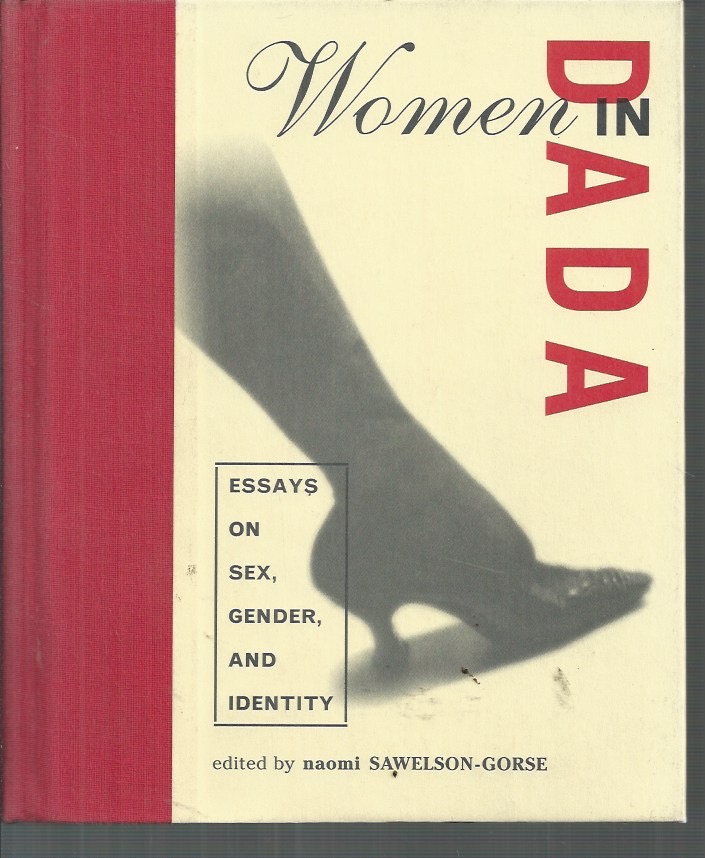
For all of its iconoclasm, the Dada spirit was not without repression, and the Dadamovement was not without misogynist tendencies. Indeed, the word Dada evokes the idea of the male–both as father and as domineering authority. Thus female colleagues were to be seen not heard, nurturers not usurpers, pleasant not disruptive.This book is the first to make the case that women’s changing role in European and American society was critical to Dada. Debates about birth control andsuffrage, a declining male population and expanding female workforce, the emergence of the NewWoman, and Freudianism were among the forces that contributed to the Dadaist enterprise. Among thefemale dadaists discussed are the German émigré Baroness Elsa von Freytag-Loringhoven; Berlindadaist Hannah Höch; French dadaists Juliette Roche and Suzanne Duchamp; Zurich dadaists SophieTaeuber and Emmy Hennings; expatriate poet and artist Mina Loy; the “Queen of Greenwich Village,”Clara Tice; Margaret Anderson and Jane Heap, the lesbian couple who ran The Little Review; andBeatrice Wood, who died in 1998 at the age of 105. The book also addresses issues of colonialist racism, cross-dressing and dandyism, and the gendering of the machine. The bibliography was compiled by the International Dada Archive (Timothy Shipe and Rudolf E. Kuenzli).Contributors : Eleanor S.Apter, Barbara J. Bloemink, Willard Bohn, Carolyn Burke, William A. Camfield, Whitney Chadwick,Dorothea Dietrich, Susan Fillin-Yeh, Paul B. Franklin, Renée Riese Hubert, Marisa Januzzi, AmeliaJones, Marie T. Keller, Rudolf E. Kuenzli, Maud Lavin, Margaret A. Morgan, Dickran Tashjian,Elizabeth Hutton Turner, Barbara Zabel.
pp. 686 illusts First Edition #300126 SCARCE